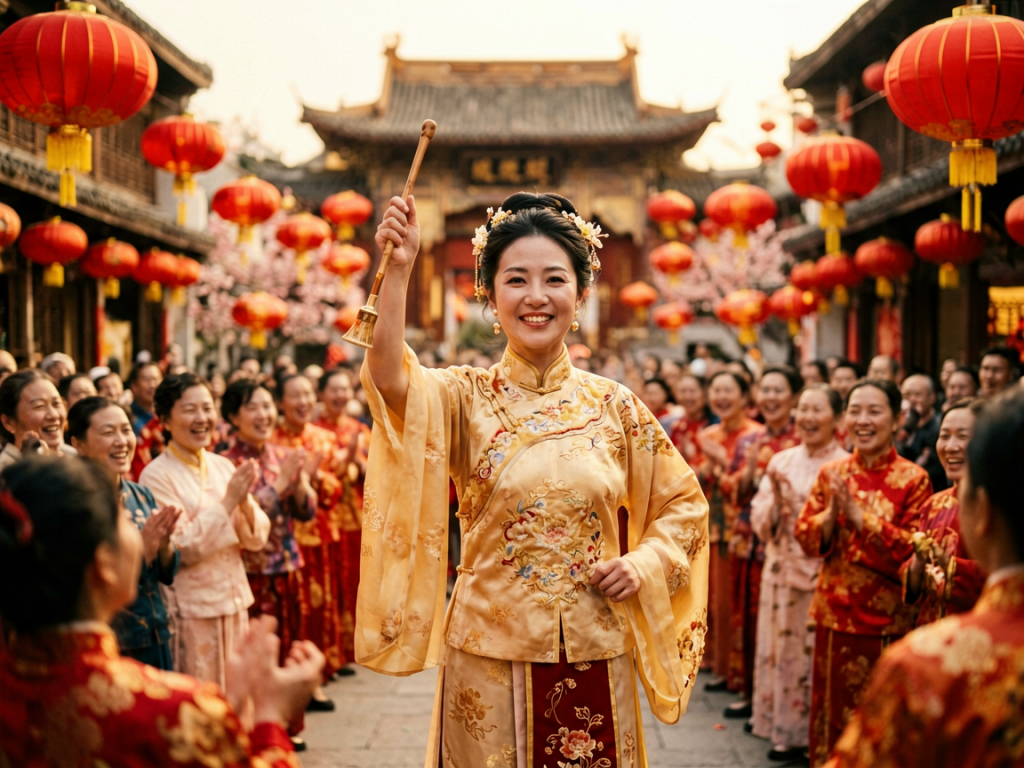
Look, I’ll be honest. The first time I heard Chinese New Year fireworks, I thought my windows were going to shatter.
I was living in a small apartment in Shanghai back in 2019. I’d just moved from the US, where our holidays felt quiet and predictable. Christmas meant a tree and maybe a card. New Year’s Eve meant watching a ball drop and going to bed early because work started the next day.
Then came the Lunar New Year. The sky wasn’t just lit; it was burning. Red flares shot into the dark with such force that the ground actually trembled under my feet. My neighbors were cheering. I was hiding behind my curtains.
Sound interesting? Maybe not. But it changed how I understood this place.
We often hear complaints about the noise. People talk about pollution, safety, and sanity. And sure, there’s logic to those concerns. But if you dig deeper, that noise isn’t just chaos. It’s a ritual. It’s a centuries-old way of screaming at the darkness to make sure it stays away.
The Noise Is A Shield
You know the legend about Nian? The beast that came out every winter solstice?
It’s true, most locals still tell this story to their kids. They say Nian feared three things: red color, loud noises, and fire.
So, when the entire country erupts into a cacophony of firecrackers, gongs, and drums, we aren’t just celebrating. We’re fighting a ghost. We’re warding off bad luck, illness, and misfortune for the year ahead.
I remember asking my grandmother-in-law why we couldn’t just use quieter sparklers. She looked at me like I’d suggested serving pizza for reunion dinner.
“Quiet doesn’t scare the bad spirits,” she said. “You have to be louder than the fear.”
That stuck with me. In a country with such rapid modernization and intense pressure, the loudness of CNY is a release valve. It’s permission to be chaotic, to be messy, and to be incredibly vocal.
If you’ve ever felt like life is too controlled, watch the streets during the first few days of the lunar new year. Cars honk in rhythm. Kids scream with joy. Elders yell blessings over the din. It’s overwhelming, yes. But it’s also alive.
And here’s the thing about volume. It’s not just about scaring monsters. It’s about waking people up. After a year of hard work, of silence in offices, of restraint in social interactions, the explosion of sound is necessary.
It signals a fresh start. A clean slate. The louder the welcome, the better the departure of the old.
Why It Feels Longer Than Two Weeks
Let’s talk timing. Officially, the holiday period varies. Some get seven days off. Others get ten. But the *feeling* of the holiday lasts longer.
I’m talking about the weeks before and after. The prep. The recovery. The lingering vibe.
In China, nothing happens overnight. Well, except the fireworks. Everything else requires planning.
Clean your house from top to bottom? That’s a job for two weekends. Buy gifts? That takes days. Cook the reunion dinner? That’s a marathon involving three generations and a mountain of ingredients.
By the time the actual first day of the lunar new year hits, you’re exhausted but buzzing. Then comes the visiting. You go to relatives’ houses. You eat until you can’t breathe. You drink tea and play mahjong until your back hurts.
This isn’t a vacation in the Western sense. It’s a duty. It’s a social obligation wrapped in warmth.
I’ve seen friends cancel trips abroad because they had to host their cousins. I’ve seen bosses postpone meetings because their parents were in town. It’s a collective pause button on society.
For eight years, I’ve watched this rhythm. At first, I thought it was inefficient. Now, I think it’s brilliant.
In a world where we are always connected, always working, always online, CNY forces us offline. You can’t check emails when you’re trying to pour tea for your aunt. You can’t answer Slack messages when your uncle is telling the same funny story he told last year.
The length of the holiday allows for depth. It’s not just a quick celebration. It’s a reconnection. It’s about reinforcing the bonds that hold families and communities together.
And let’s be fair, the food alone justifies the extra time. We’re talking dumplings filled with pork and chives. Steamed fish that represents abundance. Noodles for longevity. Every bite has meaning. Every meal is a conversation.
The Weight Of Tradition
People ask me why this matters so much. Why not just skip the red envelopes and go to dinner?
Because CNY is the anchor of Chinese identity.
China is huge. Dialects change every hundred miles. Customs vary wildly between north and south. But the Lunar New Year? That’s universal.
Whether you’re in a skyscraper in Shenzhen or a village in Guizhou, you know what it means to see red lanterns. You know the feeling of waiting for the Spring Festival Gala, even if you’re mostly watching it on mute while scrolling through your phone.
I tried to explain this to an American colleague once. I said it’s like Thanksgiving mixed with Christmas, but with more superstition and less commercialism.
He didn’t quite get it. He missed the spiritual weight of it.
This isn’t about buying stuff. It’s about honoring ancestors. It’s about giving thanks for survival. It’s about praying for health.
When I bow to my elders and receive the red envelope, I feel a strange mix of humility and pride. It’s a reminder of where I come from, and where I fit in.
To be fair, it’s easy to dismiss these rituals as outdated. But look around. In times of uncertainty, people cling to tradition. When the economy shifts, when the world feels unstable, CNY provides a constant.
It’s a rhythmic pulse. Once a year, the beat drops. Everyone syncs up.
I’ve seen migrants walk for days across provinces just to make it home for this. I’ve seen business deals stalled for a month. I’ve seen cities empty out, leaving only the locals to enjoy the quiet before the storm returns.
That level of commitment tells you everything you need to know about its importance.
A Modern Twist
Of course, things are changing. You don’t see firecrackers in central Beijing anymore. The government cracked down on them years ago due to air quality concerns.
But the spirit remains. Now, people send digital red envelopes via WeChat. The apps explode with activity on New Year’s Eve. Friends joke and gamble virtually.
I was skeptical at first. How can a pixelated red packet replace the physical thrill of getting cash from a loving relative?
But then I saw my friends laughing over video calls. I saw the convenience. I saw how technology adapted rather than replaced the tradition.
It’s not less meaningful. It’s just different. And that’s okay.
We love the old ways, but we also embrace the new. That duality is key to understanding modern China.
You can respect the ancestor worship while also enjoying a hotpot party with colleagues. You can miss the smell of sulfur from fireworks while breathing the fresh spring air.
It’s not either/or. It’s both/and.
Why You Shouldn’t Skip It
If you’re traveling to China during this time, stay.
Don’t book that flight out to escape the crowds. Don’t hide in your hotel room because the noise bothers you.
Go out. Join the festivities. Say hello to the strangers who wave at you.
I guarantee you’ll leave with a fuller heart and a heavier stomach.
There’s a warmth to CNY that you can’t find at any other time of year. It’s raw, it’s emotional, and it’s incredibly human.
So, let the fireworks shake your bones. Let the noise wake you up. Let the long hours of eating and visiting remind you what matters.
Life moves fast. But once a year, we all slow down together. And that’s a beautiful thing.