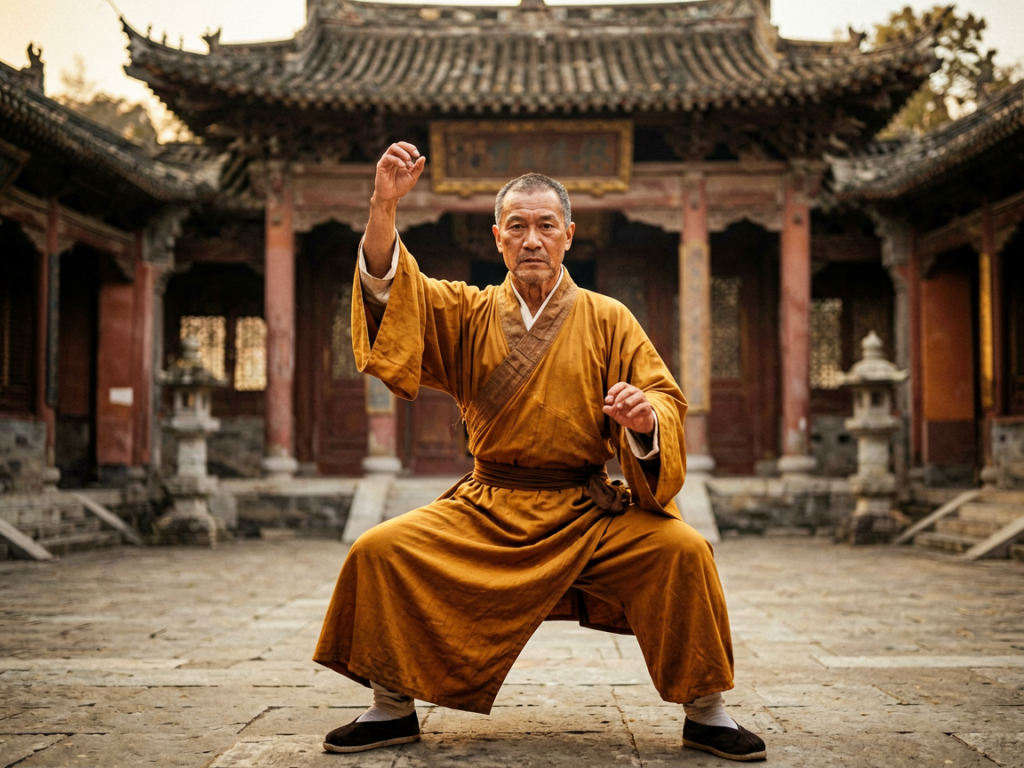
I remember my first time seeing a Shaolin monk perform. It wasn’t in some dimly lit studio in Los Angeles or a heavily edited TikTok clip. It was in the actual temple courtyard in Henan province, back in 2018. The air was thick with humidity and the smell of incense. The sun was beating down on the stone floor, making the heat shimmer.
I was standing there with a group of tourists who had paid good money for a “cultural experience.” They were expecting magic. They were expecting something from a movie. What they got was a guy in his mid-twenties, sweating profusely, moving with a rhythm that felt more like breathing than dancing. And honestly? It was way more impressive because it looked real.
The problem is, if you’re looking online today, you’re going to see a lot of noise. You’ll see monks breaking concrete slabs with their heads, jumping over stacks of chairs, and doing flips that defy physics. Some of it is cool. Most of it, though, is commercialized stunt work that has very little to do with the actual tradition. So, how do you separate the wheat from the chaff? How can you tell if the Shaolin performance you’re watching is rooted in centuries of discipline or just a marketing gimmick?
Stop Looking at the Tricks, Look at the Foundation
Here’s the thing about modern internet kung fu. It’s all about the highlight reel. Algorithms love spectacle. A video of a monk doing a triple backflip gets a million views. A video of him sitting in stillness for an hour gets ten. Nobody clicks on the stillness unless they’re already obsessed.
If you want to know if a performance is legit, ignore the acrobatics. Instead, watch the basics. Watch how they stand. Watch how they walk. In authentic traditional training, which we call gongfu (effort over time), the foundation is everything. You spend years just standing in Zhan Zhuang, or standing meditation, before you ever throw a punch.
I’ve watched enough amateur practitioners to spot the difference immediately. When someone has only trained for a few months, their movements are jerky. They rely on momentum. They look like they’re trying to impress an audience rather than express technique. But when you see someone who has dedicated their life to this, their energy is grounded. Their feet feel planted, even when they’re moving fast.
Take the Horse Stance, for example. Anyone can drop into a low squat for ten seconds if they’re fit. But try holding it with proper alignment for five minutes while keeping your upper body relaxed? Good luck. Authentic performers demonstrate control and stability in their stances that doesn’t look like strain. It looks effortless. If the performer looks like they’re about to collapse every time they change direction, it’s likely flashy sport kung fu, not traditional Shaolin.
The Sound of the Temple vs. The Sound of the Studio
This might sound weird, but audio tells you more than you think. Most of the viral Shaolin videos you see online are set to dramatic orchestral music or heavy bass drops. They’re edited to match the beat. Every kick lands exactly on the snare drum. It’s choreographed dance, pure and simple.
Real traditional performance is often quieter. Or rather, the sounds are organic. Listen to the breath. In authentic martial arts, breathing is tied directly to movement. You’ll hear sharp exhalations (ha!) that coincide with strikes or impacts. These aren’t staged for effect; they’re functional. That breath stabilizes the core and generates power.
I once attended a demonstration by a group claiming to be “Shaolin Masters” at a hotel conference center in Shanghai. They had LED screens behind them flashing flames. The music was blasting so loud I couldn’t hear myself think. The monks were wearing matching neon spandex outfits. It was hilarious, actually. But there was no rhythm to their breathing. No connection between mind and body. Just people jumping around for applause.
Contrast that with a visit to the Songshan Mountains. I watched a small group practice in the early morning mist. There was no music. Just the sound of slippers hitting sand, the rustle of linen robes, and the occasional sharp exhale. It was boring to watch, maybe. But it felt heavy with intent. That’s the vibe you’re looking for. If the performance feels like a concert show rather than a martial expression, walk away.
Who Is Teaching? Check the Lineage
We’ve all heard the phrase “fake guru.” It happens everywhere. But in martial arts, lineage matters more than most people realize. Traditional Shaolin isn’t just about knowing moves. It’s about knowing where those moves came from and who passed them down to you.
If you’re researching a performer, look for their teacher. Not just any teacher, but a recognized master within a specific lineage. The true Shaolin tradition at Songshan Monastery has a structured hierarchy. Monks train under senior masters for decades before they are allowed to teach or perform publicly as representatives of the temple.
You’ll notice that many online influencers claim to be “Shaolin Monks.” But dig deeper. Are they actually ordained at the Songshan Temple? Or did they go to a private kung fu school in Thailand or Malaysia and call themselves monks because it sounds cool? There’s nothing wrong with private schools–they produce great fighters. But they aren’t *Shaolin* in the religious and cultural sense.
I learned this the hard way. I hired a guide in Beijing who promised to take me to meet a “Secret Shaolin Master.” The guy was charismatic. He spoke great English. But when I asked about his ordination certificate, he changed the subject. Turns out, he was a martial arts actor who had retired due to injuries. He wasn’t a monk. He was an actor. Was he skilled? Yes. Was he representing the true Shaolin tradition? Absolutely not.
So, do your homework. Look for verified accounts from the official Shaolin Temple website or reputable cultural organizations. If a performer is selling courses or merchandise aggressively without discussing their background, be skeptical. True masters are usually humble. They talk about the art, not the brand.
Context Matters: Performance vs. Practice
Let’s get one thing straight. Not all non-traditional performances are bad. Some of them are just entertainment. And that’s okay. Movies like Crouching Tiger, Hidden Dragon or even old Jackie Chan films are works of art. They use martial arts as a medium for storytelling. But don’t confuse cinema with culture.
When you see a video labeled “Shaolin Performance,” ask yourself: what is the purpose here? Is it to showcase spiritual discipline? Or is it to sell a t-shirt? The latter isn’t inherently evil, but it’s not the “real tradition” you’re probably seeking. The real tradition includes ethics, Buddhism, and community service. It’s not just about who can hit hardest.
I spent a week volunteering at a small temple in Yunnan, far from the tourist hubs. The monks there didn’t do flips. They swept floors. They cooked rice. They studied sutras. Occasionally, they would practice forms in the courtyard, but it was slow, deliberate, and quiet. It was meditative. That, to me, is the heart of Shaolin. The physical skill is just a tool for mental clarity.
If you’re looking for that depth online, it’s harder to find. You have to sift through layers of commercialization. Look for documentaries, not just highlight reels. Seek out interviews where the monks talk about philosophy, not just their latest trick. Listen for stories about struggle and patience.
Trust Your Gut (And Your Eyes)
At the end of the day, you’re the judge. You don’t need a black belt to spot authenticity. You just need to pay attention. Does the performer seem connected to the moment? Or are they checking their phone between takes?
Authenticity has a weight to it. It’s quiet confidence. It’s the ability to do difficult things without showing off. When I watch a genuine traditional performance, I feel a sense of respect. I don’t just cheer; I observe. I notice the sweat, the focus, the history in every movement.
Don’t let the flashy lights fool you. The next time you see a video of a monk breaking bricks with his head, pause. Ask yourself: Is this a trick? Or is it the result of twenty years of conditioning? Chances are, it’s the former. But if you see a monk walking barefoot on hot coals with a serene smile, or standing in perfect stillness for hours, that’s something else. That’s tradition. That’s the real deal.
Keep your eyes open. Keep asking questions. And remember, the best martial arts aren’t the ones that look the coolest on Instagram. They’re the ones that change you from the inside out. That’s what Shaolin is really about. Everything else is just noise.