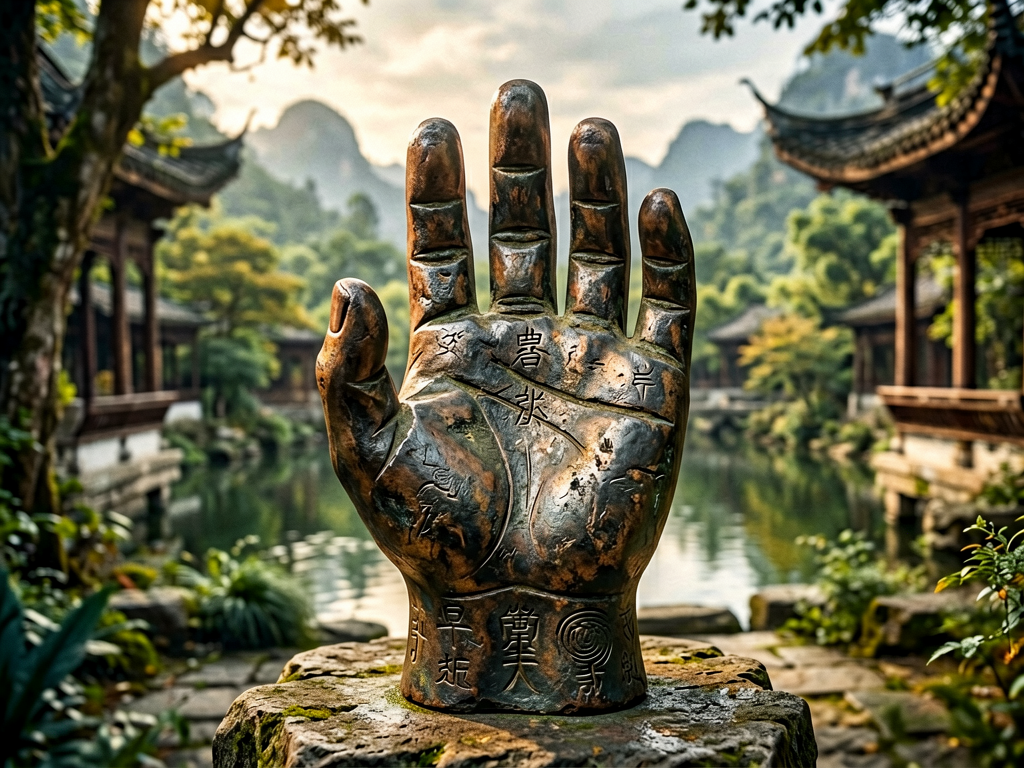
I remember the first time I saw a master demonstrate iron palm. It was in a dusty courtyard in Shaolin, back when I was still fresh out of college and full of naive curiosity. The old monk didn’t wear any protective gear. He just stood there, looking like he’d been carved from old driftwood, and slapped a stack of bricks with his open palm.
Crack. The bricks shattered into dust. The sound was louder than a gunshot. I flinched. The monks around me didn’t even blink. That moment stuck with me. It wasn’t just about strength. It was about something deeper, something that takes years to build and a lifetime to maintain.
If you’re thinking about picking up iron palm training, you need to understand what you’re signing up for. It’s not a quick fix. It’s not a trick. It’s a physical and mental transformation that rewrites how your body interacts with impact. And honestly? Most people quit before they even start.
The Myth of Instant Toughness
Let’s get one thing straight right away. You aren’t going to harden your hands in a week. You aren’t going to do it in a month. If anyone tells you otherwise, they’re either lying or they’ve never actually trained.
I met a guy in Chengdu who claimed he’d mastered the technique in six weeks. He looked tough, sure. He had calluses on his fingers and a mean right hook. But when we sparred lightly, his hands were stiff as boards. He couldn’t even hold a teacup without cracking the handle. His tendons were fried. He thought he was tough. He was just injured.
Real iron palm training is slow. Painfully slow. It involves years of repetitive, controlled impact. You start with soft materials. Rice? Maybe. Sand? Only after your bones have adapted. Glass bottles? That’s for advanced students who have spent a decade conditioning their knuckles.
The process is called “bone densification.” But it’s not just about density. It’s about alignment. It’s about learning how to relax your muscles at the moment of impact. If you tense up, you break your hand. If you stay too relaxed, you bruise your flesh. You have to find that sweet spot where your structure takes the load, not your tissue.
Sound complicated? It is. That’s why it takes years. You’re essentially teaching your body a new way to move. You’re rewiring your nervous system. You’re changing your biomechanics. It’s not just hitting stuff. It’s hitting stuff *correctly*.
The Physical Toll on Your Hands
I want to be honest with you. Iron palm training hurts. A lot. And it leaves marks. Permanent marks.
My friend Wei, a kung fu instructor in Wuhan, showed me his hands. They looked like maps of ancient battlefields. The skin was thick, leathery, almost bark-like. The knuckles were swollen, misshapen even. There were scars running across his palms, some white, some red. He didn’t mind. He said they were badges of honor.
But there’s a darker side. Years of impact can cause arthritis. It can damage the small bones in your wrists. It can lead to chronic pain. I’ve seen masters who couldn’t open jars when they were in their sixties. Their hands shook. Their grip was weak. All the strength in the world doesn’t matter if your joints are shot.
This is why proper training is non-negotiable. You need a teacher who understands anatomy. You need someone who knows when to back off. You can’t just go out and start punching trees. You’ll destroy yourself. I learned that the hard way. Early on, I tried to rush the process. I hit a tree trunk too hard, too soon. I broke a metacarpal. It took six months to heal. And even then, my hand never felt quite right.
The pain isn’t just physical. It’s mental. You have to push through the discomfort. You have to learn to accept pain as part of the process. But you also have to know the difference between “good pain” (the burn of conditioning) and “bad pain” (the sharp sting of injury). It’s a fine line. Crossing it can end your training.
More Than Just Physical Strength
Here’s the thing that surprises most beginners. Iron palm isn’t just about making your hands harder. It’s about making your mind tougher.
When you’re standing in front of a bag of sand, ready to strike, you’re facing fear. You’re afraid of hurting yourself. You’re afraid of looking foolish. You’re afraid of the pain. Overcoming that fear is half the battle.
I remember my first time hitting the iron palm bag. It was heavy, wrapped in leather and filled with lead shots. The master told me to strike with full power. I hesitated. I pulled my punch. He hit me with a stick. “Pain is a teacher,” he said. “But fear is a liar.”
That stuck with me. Every time I train, I’m fighting that initial hesitation. I’m learning to commit. To trust my body. To believe that my structure can handle the impact. It’s a lesson that applies to life, not just martial arts.
There’s also a meditative aspect to it. The repetition is hypnotic. Strike. Breathe. Strike. Breathe. You enter a flow state. The outside world fades away. There’s only the sound of impact, the feeling of the bag, the rhythm of your breath. It’s peaceful. It’s powerful.
And then there’s the community. The bond between students who are going through the same struggle. We’ve spent countless evenings in the courtyard, hands wrapped in cloth, shoulders sore, laughing about how much our palms burned. It’s a camaraderie built on shared pain. You don’t forget that.
What It Actually Does to Your Body
So, what’s the end result? What does years of iron palm training actually give you?
First, you get incredible power. Not just in your hands, but in your whole body. Iron palm teaches you to generate force from your legs, transfer it through your hips, and release it through your hands. It’s a full-body connection. You learn to move as one unit. That power translates to everything you do.
Second, you get resilience. Your hands become less sensitive to pain. You can grab hot pots. You can handle rough materials. You can take a hit without flinching. It’s not invincibility. You can still get hurt. But you’re less likely to be stopped by it.
Third, and this is the big one, you get confidence. Real confidence. Not the fake kind you get from telling yourself you’re tough. The kind that comes from knowing you’ve tested yourself and survived. You know your hands can take it. You know your mind can handle it. That knowledge changes how you walk through the world.
I’ve seen this in myself. Before I started training, I was shy. I avoided conflict. I hesitated. Now, I’m different. I’m more direct. I’m more assertive. Not aggressive, just… present. I know what I’m capable of. I trust myself.
The Verdict: Is It Worth It?
I’ll be honest. I don’t know if I’d recommend iron palm training to everyone. It’s not for the faint of heart. It’s not for someone looking for a quick win. It’s for people who are willing to suffer for a payoff that might not come for years.
If you’re willing to commit, if you’re willing to listen to your body, if you’re willing to respect the process, then yes, it’s worth it. It’s one of the most rewarding things I’ve ever done. It’s changed my body, my mind, and my life.
But don’t go into it thinking you’re going to become a martial arts god overnight. You won’t. You’ll become a martial arts student. Forever. And that’s the beauty of it. There’s always more to learn. Always more to endure. Always more to discover.
So, if you’re ready, start slow. Find a good teacher. Be patient. Listen to your body. And when the time comes to strike, strike with everything you’ve got. Not just your hands. Your heart. Your soul.
That’s the real secret. It’s not about the bones. It’s about the spirit. And that’s something no amount of sand or glass can break.