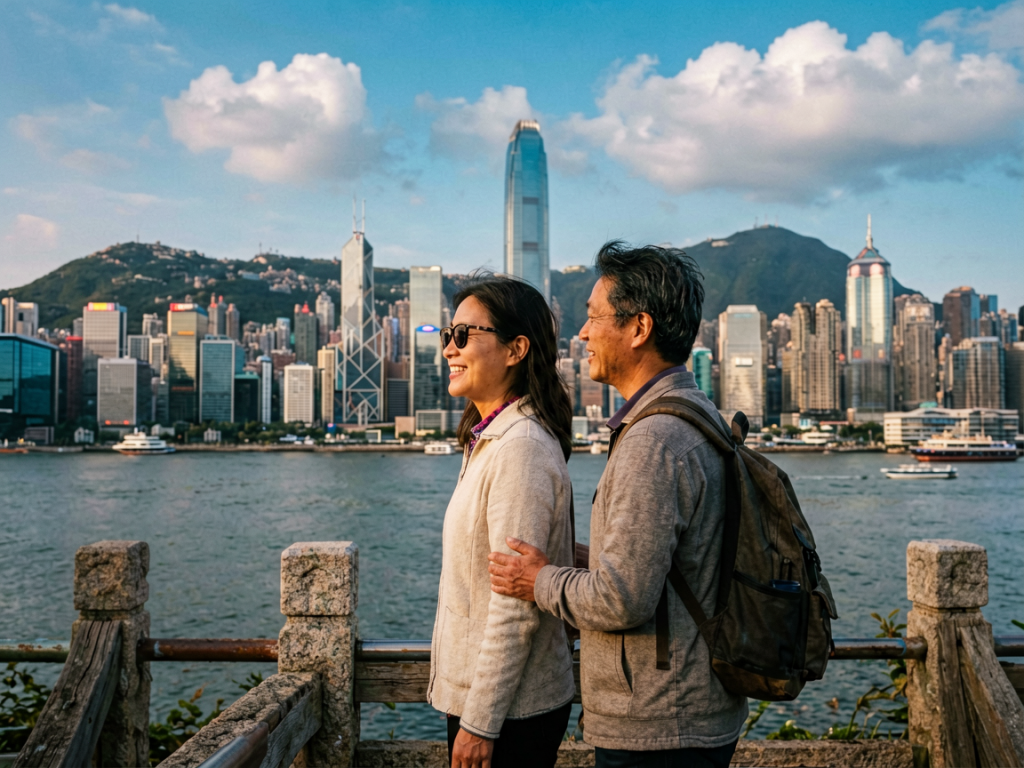
Macau doesn’t just happen to you. It happens *on* you. The moment you step off that ferry from Hong Kong or walk through the border gate in Zhuhai, the humidity hits you. Then the lights hit you. It’s a sensory overload that feels like someone cranked the volume on a casino slot machine and left it there.
I’ve lived in China for eight years now. I’ve seen the rapid modernization of Shenzhen, the historical weight of Beijing, and the chaotic charm of Chengdu. But Macau? Macau is different. It’s a microcosm. It’s tiny, dense, and utterly unique. If you’re planning your first trip here, you’re probably feeling a mix of excitement and panic.
Sound interesting? Or just terrifying? Don’t worry. I’m going to walk you through how to survive it, thrive in it, and actually enjoy it without getting fleeced or lost. This isn’t a generic tourist brochure. This is the gritty, practical truth from someone who has spent countless hours wandering these streets.
The Ferry Ride and The Border Chaos
Let’s start at the beginning. How do you get there? Most people fly into Macau International Airport, but honestly? The ferry from Hong Kong is part of the experience. You’re paying for a view of the skyline approaching from the water. It’s dramatic. It sets the tone.
But if you’re coming from the mainland, like most of us do, you’re going through the border. I’ll be honest, the first time I went through Gongbei Port, I thought I was entering a different planet. The crowds are dense. The air is thick. It’s a marathon of paperwork and waiting.
Here’s the trick. Go early. I mean really early. Before 9 AM. If you arrive after 10 AM on a weekend, you’re looking at a two-hour wait in line. That’s two hours of your life you’ll never get back. Bring water. Bring snacks. Download the health code app if it’s still required, though things have changed post-pandemic.
Once you’re through, you’ll be in Zhuhai. Don’t linger. Grab a taxi or the free shuttle bus to the Macau side. The free shuttles are a legend here. Every major hotel in Macau runs them. They pick you up at the border and drop you at their lobby. It’s free, it’s air-conditioned, and it’s efficient. Use them. It saves you a fortune in taxi fares.
I remember my first trip. I tried to hail a taxi. The driver tried to charge me double what he should have. I ended up taking a shuttle to the Grand Lisboa instead. It was smoother, cleaner, and I didn’t feel like I was being scammed. Lesson one learned.
Navigating The Casino Floor Without Losing Your Shirt
Okay, let’s talk about the elephant in the room. The casinos. Macau is known as the Vegas of the East. It has more gaming revenue than Las Vegas combined. That’s a crazy statistic. But for a first-timer, it’s intimidating.
You walk into a place like the Venetian or the Galaxy, and you’re hit with a wall of noise. Slot machines clacking. Dealers shouting. People cheering or crying. It’s intense. I’m no gambling expert, but I know enough to know that the house always wins. Always.
So, how do you survive? Set a budget. Write it down. Leave your credit cards in the hotel safe. Bring cash. I know, it feels old school, but it works. When you use a card, you don’t feel the pain of spending. Cash hurts. That pain is your friend.
Don’t feel pressured to play. You can walk through the casinos just to look. The architecture is insane. The Venetian has a fake sky ceiling. The Parisian has an Eiffel Tower that’s half the size but still gorgeous. The Londoner has Big Ben right in the lobby. It’s kitsch, sure. But it’s fun kitsch.
I once watched a guy bet his life savings on a single hand of Baccarat. He won. Then he lost it all on the next hand. It’s a sobering sight. Don’t be that guy. Treat the casino like an amusement park, not a source of income. If you win, great. Buy yourself a nice dinner. If you lose, consider it the price of admission for the spectacle.
And please, don’t accept free drinks if you’re playing. In Las Vegas, drinks are free because they want you to keep playing. In Macau, they might give you fruit platters or noodles, but the goal is the same. Keep you seated. Keep you betting. Stay hydrated with your own water bottle. Stay sharp.
Food: It’s Not Just About the Egg Tarts
We need to talk about food. Macau is a UNESCO City of Gastronomy. I’m not exaggerating. The food scene here is a melting pot of Portuguese and Chinese cultures. It’s called Macanese food. It’s delicious, complex, and often overlooked by tourists who just swarm the egg tart shops.
Yes, the egg tarts are amazing. The ones at Lord Stow’s Bakery on Coloane Island are worth the trip. They’re flaky, sweet, and creamy. But if you only eat egg tarts, you’re missing out. You’re missing the heart of Macau.
You need to try Minchi. It’s minced pork and rice served with an egg on top. It’s simple. It’s comfort food. It’s everywhere. I ate it for breakfast, lunch, and dinner one week. I wasn’t complaining. It’s that good.
Then there’s the Portuguese chicken. It’s marinated in spices, roasted, and served with potatoes. It’s rich. It’s savory. It’s heavy. Pair it with a glass of Madeira wine, which Macau is famous for. It’s a perfect pairing.
For a real local experience, go to the food courts in the older districts. Not the shiny malls. The real street food stalls. Try the pork chop buns. They’re buttery, toasted buns filled with a seasoned, fried pork chop. It’s greasy. It’s glorious. Eat it standing up on the sidewalk. That’s the authentic experience.
I remember walking through the Senado Square area late one night. The streets were empty except for a few locals. I found a small noodle shop. No sign, just a steam rising from the kitchen. I ordered beef noodles. The broth was clear but deeply flavored. It cost me maybe four dollars. It was the best meal I’d had all week.
Don’t be afraid to try things that look unfamiliar. Macanese food uses ingredients like coconut milk, curry, and vinegar in ways that surprise you. It’s a unique flavor profile you won’t find anywhere else in China. Embrace it.
Getting Around: Buses, Taxis, and Walking
Macau is small. You can walk a lot of it. The historic center is compact. You can walk from the Ruins of St. Paul’s to the Guia Lighthouse in about twenty minutes. It’s a nice walk. The streets are paved with Portuguese cobblestones. They’re beautiful but uneven. Wear good shoes.
But sometimes, you need to go further. The buses are the best way to get around. They’re cheap. They’re frequent. They’re air-conditioned. You can pay with cash or get a Macau Pass card. The card is worth it if you’re staying more than two days. It saves you from digging for change every time.
Taxis are available but they’re expensive. And the drivers can be aggressive. They’ll honk at you. They’ll cut you off. It’s part of the culture. If you take a taxi, make sure they turn on the meter. If they don’t, refuse to get in. It’s that simple.
I’ve taken taxis from the Cotai Strip to the historic center. It’s a short ride, but they might try to charge you fifty dollars. Negotiate before you get in. Or just take the bus. It’s safer and cheaper.
Another option is the hotel shuttles. As I mentioned, they’re free. But they’re also crowded. During peak hours, you might have to wait for three or four buses before you get one. Be patient. It’s a test of character.
For the adventurous, there are trams. The old-style trams in the historic center are slow. They’re charming. They’re perfect for photos. But they’re not practical for getting anywhere fast. Use them for the experience, not for transportation.
The Cotai Strip vs. The Historic Center
Macau is divided into two distinct vibes. The historic center on the main island, and the Cotai Strip, which is the artificial peninsula connected by bridges.
The historic center is old Macau. It’s where the culture lives. The streets are narrow. The buildings are colorful. The temples are active. It’s where you go to understand the history. It’s where you go to eat the local food. It’s where you go to feel the soul of the place.
The Cotai Strip is new Macau. It’s where the mega-resorts are. The Wynn, the Parisian, the Venetian, the City of Dreams. It’s shiny. It’s modern. It’s full of luxury brands and high-end dining. It’s where you go to shop and gamble. It’s where you go to see the shows.
My advice? Split your time. Spend a day in the historic center. Wander. Explore. Eat. Then spend a day in Cotai. Shop. Gamble. See the shows. It’s a balanced approach. If you only do one, you’ll miss half the story.
I used to think Cotai was just a tourist trap. I was wrong. The architecture is impressive. The indoor gardens are lush. The shopping malls are world-class. It’s not all bad. It’s just different. It’s the face of Macau’s future.
The historic center is the face of Macau’s past. And both are worth seeing. Don’t judge the whole book by one chapter.
Respecting the Culture
Finally, let’s talk about respect. Macau is a Special Administrative Region of China. It has its own laws, its own currency, and its own culture. But it’s still part of China. Treat it with respect.
When you visit the temples, dress modestly. Don’t wear shorts or sleeveless shirts. Remove your hats. Speak quietly. These are places of worship for locals. They’re not just photo ops.
The Ruins of St. Paul’s is a popular spot. It’s crowded. It’s touristy. But it’s also a historic site. Don’t climb on the ruins. Don’t throw coins in the fountains. Be mindful of your surroundings.
And don’t forget the people. Macau is home to a diverse population. Locals are generally friendly but busy. They go about their lives. Don’t block their path. Don’t demand their attention for your photo. Ask permission. Smile. Most people will be happy to help if you’re polite.
I’ve found that locals appreciate it when visitors make an effort to speak a few words of Portuguese or even Cantonese. It shows you care. It breaks the ice. It turns a transaction into a connection.
Macau is a place of contrasts. Old and new. East and West. Poverty and wealth. Chaos and calm. It’s messy. It’s vibrant. It’s alive.
If you go with an open mind, a light wallet, and comfortable shoes, you’ll have a great time. You’ll eat well. You’ll see amazing things. You’ll come home with stories that aren’t in any guidebook.
That’s the real souvenir. Not the egg tarts. Not the souvenirs. The memories. And those are free.
So, pack your bags. Book your ferry. And get ready for the ride. Macau is waiting. And trust me, it’s worth it.