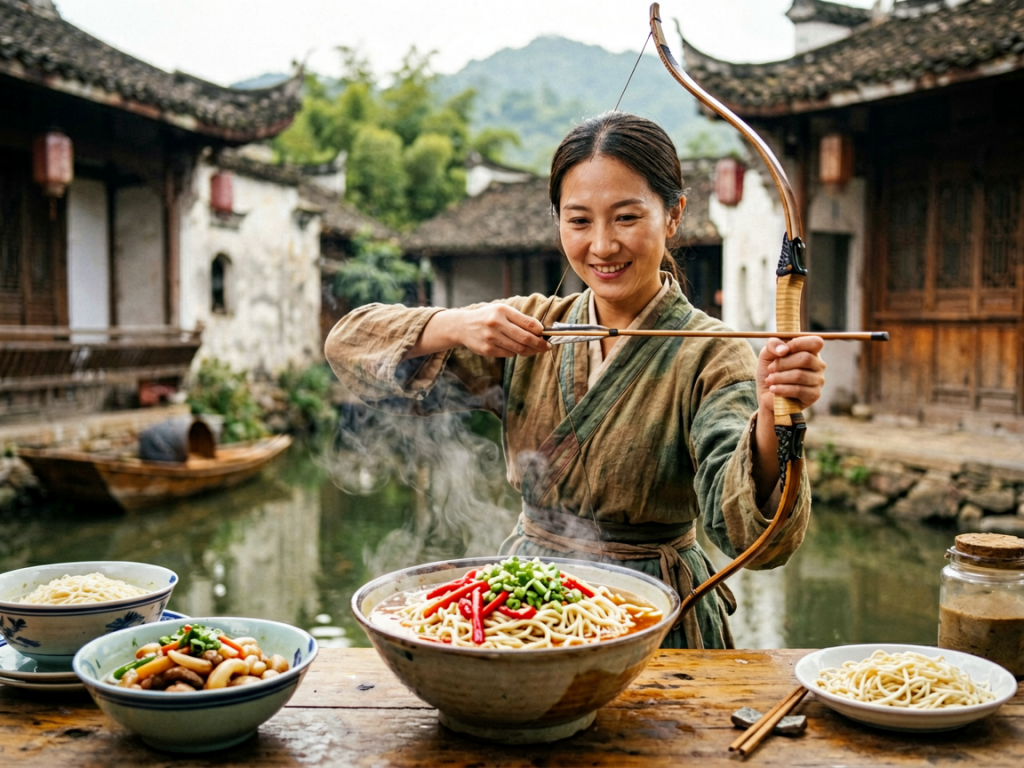
Look, I’ve eaten my fair share of noodles in my eight years here. I’ve slurped ramen in Tokyo until my ears rang. I’ve choked down thick, chewy hand-pulled noodles in Lanzhou at 2 AM after too many beers. But nothing, and I mean nothing, hits the spot quite like a bowl of Yunnan rice noodles.
It’s not just about the flavor. It’s about the texture. It’s about the chaos. When you sit down in a hole-in-the-wall spot in Kunming or Dali, you aren’t just eating dinner. You’re participating in a ritual that’s been going on for centuries. And honestly? It’s the most addictive thing I’ve ever put in my mouth.
So, why is it so hard to quit? Let’s talk about the history, the mechanics of the broth, and why this dish feels like a warm hug from a very spicy grandmother.
The Crossbow Connection You Didn’t Know
Here’s the thing about Yunnan cuisine that most guides skip over. It’s not just Chinese food. It’s not just Southeast Asian food. It’s something entirely its own, born from the chaotic migration of tribes up the ancient Southern Silk Road.
And yes, the title mentions a crossbow. It sounds dramatic, but it’s rooted in the history of the Dian Kingdom and the various Bai, Yi, and Hani peoples who call these mountains home. These weren’t just farmers; they were warriors and traders who moved through high-altitude passes that would make modern hikers weep.
I was talking to an old chef in Lijiang about this once. He laughed when I brought up the crossbow. He told me that the people who migrated through these regions needed food that was lightweight, portable, and incredibly energy-dense. Rice noodles fit the bill perfectly.
Unlike wheat noodles, which require grinding and kneading, rice noodles can be made from soaked rice that’s ground into a paste and steamed. It’s a process that’s fast. It’s a process that survives long journeys. The “crossbow migration” isn’t just about weapons; it’s about the mobility of the people and their food. They carried the rice, they carried the technique, and they carried the spice.
That history is baked into the bowl you’re holding. It’s food made for movement. It’s food made for survival. And that’s why it tastes so good when you’re tired. It tastes like resilience.
The Broth is the Real Star
If you think Yunnan rice noodles are just noodles in water, you’re dead wrong. The magic is in the broth. And I’m not talking about the clear, subtle dashi of Japanese cuisine. I’m talking about broths that hit you with a punch before you even lift the spoon.
In Yunnan, the base is usually a rich chicken or pork bone stock, but it’s the additives that make it addictive. There’s a layer of oil on top. That’s not just fat; that’s flavor trapped in suspension. You have to mix it in. You have to break the surface.
I remember my first time trying the famous “Guoqiao” or “Bridge Noodles” in Dali. I was skeptical. The presentation is theatrical, with separate bowls of raw meat, vegetables, and the noodles themselves. You dump everything into the hot broth tableside. It’s fun. It’s Instagram-friendly.
But the real magic happens in the smaller, shadier shops in Kunming. There, they serve you a bowl of thick, white broth that smells like star anise and aged ginger. They ladle in a generous spoonful of chili oil. Not the dry, dusty chili powder you get in the north. We’re talking about chili that’s been fried in oil with aromatic spices. It’s fragrant. It’s smoky. It’s spicy in a way that wakes up your sinuses.
The combination of the savory, umami-rich broth and the sharp, aromatic chili creates a flavor profile that’s hard to replicate. It’s complex. It’s balanced. And it’s utterly addictive. I’ve tried making it at home. I’ve bought the “authentic” spice blends from the market. But it never quite hits the same spot. Something about the water in Yunnan, or maybe just the speed of the service, makes it superior.
Texture is Everything
Let’s talk about the noodles themselves. In Yunnan, they don’t use the thin, brittle vermicelli you might find in a salad. They use a specific type of rice noodle that’s soft on the outside but has a slight chew in the center. It’s slippery. It’s smooth. It glides down your throat.
This texture is crucial. It’s designed to carry the broth. If the noodle is too thick, it doesn’t absorb the flavor. If it’s too thin, it breaks. The Yunnan rice noodle is just right. It’s the Goldilocks of noodles.
I spent an afternoon in a market in Xiaguan watching them make fresh noodles. The process is mesmerizing. They steam the rice paste in large, flat trays. Then, they cut it into strips. It’s done by hand. It’s fast. The noodles come out steaming hot, ready to be dipped into the broth.
When you eat them, you’re experiencing that contrast. The softness of the noodle against the crunch of the pickled vegetables on the side. The slipperiness of the rice against the heat of the chili oil. It’s a sensory experience that’s hard to put into words.
Most people don’t realize that the texture changes depending on the type of noodle. Some shops serve “thin” noodles, which are more delicate. Others serve “thick” noodles, which are heartier. I prefer the thick ones. They stand up to the heavy broth better. They give you something to sink your teeth into, even if it’s just a slight resistance.
The Spice That Keeps You Coming Back
We need to talk about the spice. Yunnan chili is different from Sichuan chili. It’s not numbing. It’s not heavy on the peppercorns. It’s bright. It’s floral. It’s fruity.
The key ingredient is often the “Erjingtiao” chili, which is long and thin. It’s not super hot, but it’s incredibly flavorful. When it’s fried in oil, it releases a sweet, smoky aroma that fills the entire restaurant. You smell it before you see it. You smell it before you taste it.
This isn’t just heat. It’s flavor. And that’s why it’s addictive. You’re not just eating spice; you’re eating aroma. Your brain lights up with pleasure because it’s associating that smell with the comfort of a hot meal on a cold day.
I’ve noticed that tourists often struggle with the spice level. They order “mild” and still end up sweating. The locals order “extra spicy” and don’t even blink. The difference isn’t just tolerance. It’s familiarity. Their palates are conditioned to expect that level of heat.
But here’s the secret. You don’t have to be a local to enjoy it. You just have to start slow. Add the chili oil sparingly at first. Let the broth cool down a bit. Taste the nuance of the spices before you go for the burn. Once you get the hang of it, you’ll be hooked.
Why It’s Hard to Find Here
So, why can’t you just make this at home? Well, you can try. But you’ll miss two key elements. One is the specific type of rice used. Yunnan grows a special variety of short-grain rice that’s perfect for noodles. It’s starchy but holds its shape. You won’t find that in most Western supermarkets.
The second element is the water. I know, it sounds cliché. But the mineral content of the water in Yunnan affects the texture of the noodles and the flavor of the broth. It’s subtle. It’s hard to detect. But it’s there.
And then there’s the atmosphere. Yunnan rice noodles are meant to be eaten quickly. They’re fast food. They’re street food. They’re meant to be eaten while standing up, or on a plastic stool, surrounded by the noise of the market. The environment is part of the experience.
When you eat it in a quiet, sterile restaurant back home, it feels disconnected. It feels like you’re eating a copy of a copy. The soul is missing. The soul is in the chaos. The soul is in the history.
The Final Bowl
I’m no expert on food science. I’m just a guy who loves to eat. But I can tell you this: Yunnan rice noodles are more than just a meal. They’re a story. They’re a story of migration, of survival, of flavor.
They’re a story of a crossbow-wielding warrior stopping for a quick bite on a long journey. They’re a story of a grandmother in Kunming making the perfect bowl for her grandson.
When you eat it, you’re part of that story. You’re connecting with the land, the history, and the people. And that’s why it’s so addictive. It’s not just the spice. It’s the connection.
So, next time you’re in Yunnan, or even if you’re just lucky enough to find a good shop in a major city, order a bowl. Ask for the thick noodles. Ask for extra chili. And sit back. Let the broth hit you. Let the spice wake you up.
You won’t regret it. Trust me.