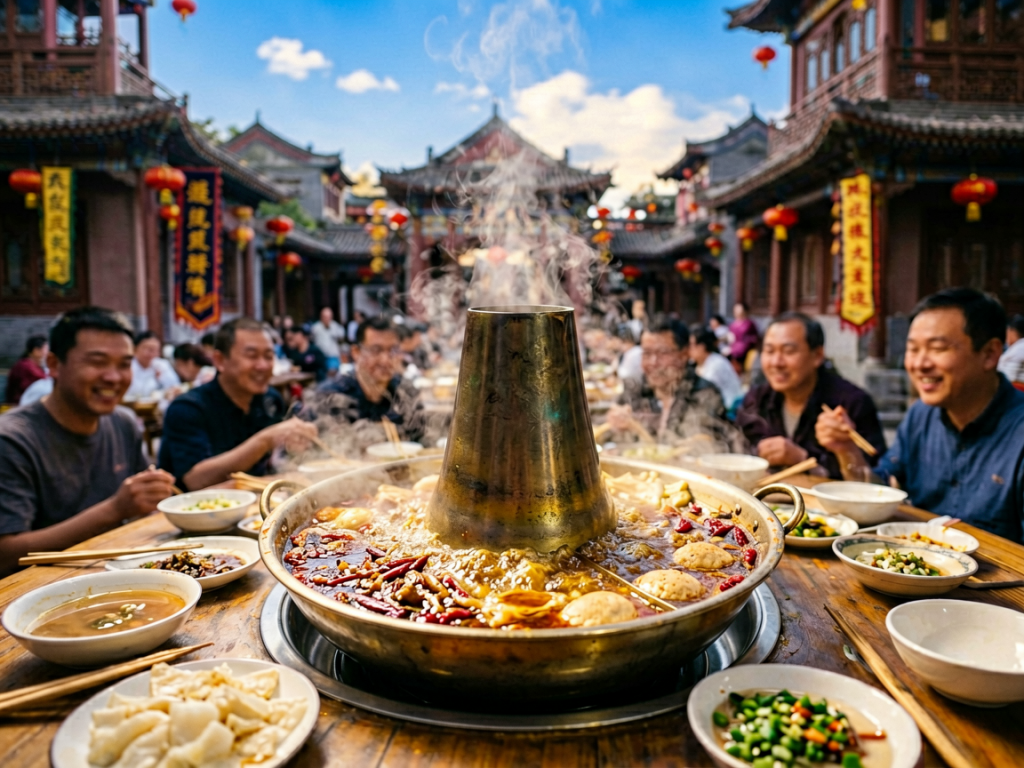
I still remember the first time I sat down for a Sichuan hot pot in Chengdu. It was 2018, and the air outside was thick with humidity and the scent of frying chilies. I looked at the boiling red soup in front of me and thought, “There’s no way I can eat this.”
I was wrong. So wrong.
That meal didn’t just change how I eat; it changed how I view hospitality in China. Hot pot isn’t just food. It’s a ritual. It’s a conversation starter. It’s the reason you’ll make friends with strangers in a cramped restaurant in Guangzhou.
But here’s the thing. If you think all hot pot is the same, you’re in for a rude awakening. The difference between a spicy Sichuan broth and a clear Cantonese bone soup is like the difference between a rock concert and a jazz club. One is loud and aggressive. The other is subtle and refined.
I’ve spent the last eight years eating my way through China’s hot pot scene. From the steamy alleys of Beijing to the high-end malls of Shanghai, I’ve learned that picking the right style matters. Let’s break down the three giants: Sichuan, Cantonese, and Mongolian. I’ll tell you what to order, what to avoid, and why you’ll probably order seconds of everything.
Why You Need to Choose Your Poison
When you walk into a hot pot restaurant in China, you aren’t just ordering a meal. You’re selecting an experience. The broth is the soul of the dish. If you get the broth wrong, the whole meal falls flat.
In Sichuan, the broth is a fiery beast. It’s built on numbing peppercorns and dried chilies. It’s aggressive. It wakes you up. It makes you sweat in a way that feels almost therapeutic. I love it for its intensity. It’s like a hug from a friend who really wants you to feel something.
Cantonese hot pot is the opposite. It’s quiet. It’s respectful of the ingredients. The broth is usually clear, made from slow-simmered chicken, pork bones, or dried mushrooms. You aren’t hiding the flavor of the meat with spice. You’re highlighting it. If you’re eating premium beef or fresh river fish, you want a Cantonese pot. The broth lets the natural sweetness of the protein shine through.
Mongolian hot pot sits somewhere in the middle, though it leans heavily toward heartiness. It’s often associated with winter. The broth is rich, salty, and savory. It’s designed to warm you up. You’ll often see lamb here. Lots of lamb. If you’re in Beijing in January, this is what you want. It’s comfort food in its purest form.
Sound interesting? Good. Because once you understand the broth, the rest of the meal becomes a game of strategy. You need to know what goes into the fire.
Sichuan Style: Embrace the Numb
Sichuan hot pot is famous for its ma la flavor profile. That translates to “numbing and spicy.” The spice comes from dried chilies. The numbness comes from Sichuan peppercorns. It’s a sensory experience that tingles your lips and tongue.
When you sit down, you’ll be offered a choice: full spicy or mild. Do not choose mild if you want the real deal. But if you’re sensitive, go for half-and-half. Most Sichuan pots come in a divided pot. One side is the fiery red oil. The other side is usually a mushroom or tomato broth. It’s a lifesaver for non-spice eaters, or for letting your palate rest between bites.
I’ve seen tourists try to dip their spicy meat into plain soy sauce. Stop doing that. You’ll ruin the dish. In Sichuan, the dipping sauce is an art form. The standard mix is sesame oil, minced garlic, and oyster sauce. The oil coats your throat and protects it from the heat. The garlic adds a punch. It’s genius.
What should you order? You need tripe. Not the kind you buy in a supermarket for tacos. I’m talking about fresh, crisp tripe. You dip it into the boiling red oil for exactly seven seconds. Seven. Not six. Not eight. You pull it out, dip it in the sauce, and eat it. It crunches. It’s incredible.
Also, get the duck intestines. They sound gross. They aren’t. They’re chewy and clean. I was skeptical at first, but now I order them every time. The key is freshness. If the intestine isn’t fresh, it smells. In Chengdu, the smell of hot pot is so strong it clings to your clothes for days. I don’t mind. It’s a badge of honor.
One tip: don’t put too many ingredients in the pot at once. You’ll drop the temperature. The soup stops boiling. The food gets soggy. Cook in batches. It’s more fun. It’s more social. You’re watching the pot together. It’s a shared activity.
Cantonese Style: Respect the Ingredient
If Sichuan is a rock concert, Cantonese hot pot is a classical symphony. It’s about precision. It’s about quality. The broth is usually a clear stock made from chicken, ham, and dried seafood. It’s golden and aromatic.
I remember a lunch in Guangzhou with a local friend. He ordered a pot with just water and ginger at first. He said, “Let’s taste the meat first.” I laughed. He wasn’t joking. He dipped a slice of premium Wagyu beef into the clear broth. He didn’t cook it long. Maybe three seconds. He lifted it out, let the excess broth drip off, and ate it plain.
The beef was sweet. Juicy. Pure meat flavor. No spice to mask it. No heavy sauce to cover it up. That’s the point of Cantonese hot pot. It’s a test of the ingredient’s quality. If the meat is bad, you’ll taste it. If it’s good, you’ll feel like you’re eating in heaven.
You’ll see a lot of seafood here. Shrimp, clams, fish slices. Everything is fresh. I’ve had fish so fresh it still moved slightly when it hit the pot. It’s delicate. You have to be gentle with it.
The dipping sauces are different too. You won’t find sesame oil here. You’ll find soy sauce, cilantro, and maybe a bit of chili oil if you want a kick. Sometimes, you’ll see a shrimp paste sauce. It’s pungent. It’s strong. It’s an acquired taste. I love it. My first bite made my eyes water. My second bite made me order another portion.
One thing to watch out for: the price. Cantonese hot pot can be expensive. You’re paying for the broth and the quality of the meat. But it’s worth it. It’s a luxury experience. It’s slow. It’s relaxed. You have time to talk. You have time to enjoy the steam rising from the pot.
Mongolian Style: The Winter Warmer
Mongolian hot pot is simple. It’s rustic. It’s designed for cold weather. The broth is often a rich beef or lamb stock. It’s salty. It’s savory. It’s not spicy, unless you add chili oil yourself.
I tried this style in Beijing during a harsh winter. The wind was howling outside. The restaurant was small and crowded. We sat around a copper pot, the traditional huo guo. The heat radiated from the center. It felt like being inside a furnace, in the best way possible.
The star of the show is lamb. Specifically, sliced lamb that’s been frozen and then thinly sliced. It has a unique texture. It’s tender. It’s flavorful. It pairs perfectly with the rich broth.
You’ll also see tofu, cabbage, and vermicelli noodles. These absorb the broth. They become soft and savory. They’re the perfect balance to the rich meat. I love the noodles. They’re like little sponges for flavor.
The dipping sauce is simple. Sesame paste, fermented tofu, and chive flower sauce. The sesame paste is thick and creamy. It coats the meat. It adds a nutty richness. It’s different from the Sichuan style. It’s heavier. It’s more indulgent.
I’ve found that Mongolian hot pot is often more communal. It’s less about individual plates and more about sharing. You take turns cooking. You serve each other. It’s a bonding experience. It’s perfect for family gatherings or big groups of friends.
If you’re in northern China in the winter, do not skip this. It’s a cultural staple. It’s warm. It’s filling. It’s satisfying. You’ll leave the restaurant feeling like you could survive the cold for another month.
How to Eat Like a Local
Here’s a little secret. In China, you don’t cook everything at once. You cook in waves. Start with the meats. They cook fast. Then move to the vegetables. Then the tofu. Then the noodles. It’s a rhythm.
Don’t rush. Hot pot is not fast food. It’s slow food. It’s meant to be eaten over hours. We’ve spent entire afternoons at hot pot places. Two hours. Three hours. It’s social. It’s about the company, not just the food.
And don’t be afraid to ask for help. If you’re new to it, ask the waiter. They’ll show you how to dip the tripe. They’ll explain the broth. They’ll be proud of their culture. It’s a great way to connect.
One final tip: drink plenty of water. Or tea. Or soy milk. The spice can be overwhelming. Soy milk is a classic pairing in Sichuan. It cools you down. It’s creamy and sweet. It’s the perfect counterpoint to the heat.
I used to think hot pot was just a meal. Now I know it’s a lifestyle. It’s messy. It’s loud. It’s hot. It’s delicious. It’s the best way to experience China. Whether you like it spicy, mild, or rich, there’s a pot for you. Just don’t sit down without an empty stomach. And maybe wear clothes you don’t mind smelling like garlic for a few days.
Trust me, it’s worth it.