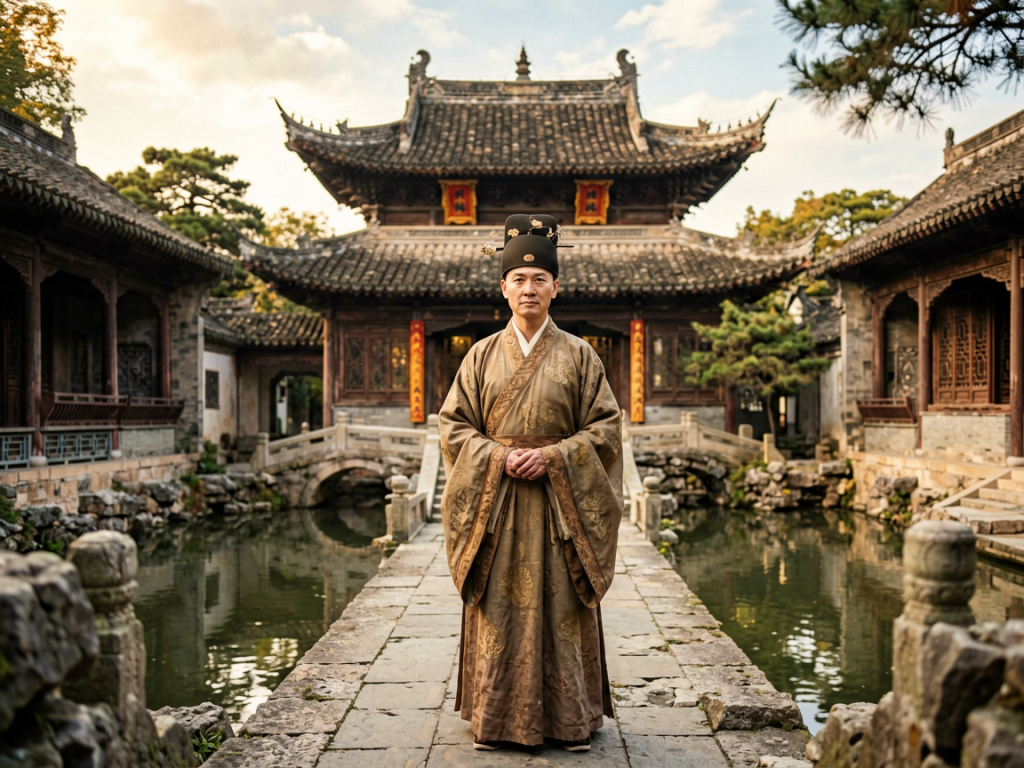
Feng Shui: The Ancient Art of Placement
Feng shui (风水, literally “wind and water”) is the ancient Chinese practice of arranging space to harmonize with the flow of qi (energy). It’s not superstition — it’s a system of environmental psychology that’s been refined over 3,000 years. Modern architects still consult feng shui masters for major projects in China and Hong Kong.
The core principle: everything in a space affects the energy of the people in it. A bed facing the door creates anxiety (you can’t see who’s entering). A desk with your back to the door puts you on edge (you feel vulnerable). Clutter blocks energy flow. Sharp corners (called “poison arrows”) direct negative energy at anyone sitting in their path.
Key elements: the bagua (八卦) map divides a space into eight areas corresponding to life aspects (wealth, career, relationships, etc.). The five elements (wood, fire, earth, metal, water) interact in cycles of creation and destruction. Balance these elements in each area and good energy follows.
Whether you believe in the spiritual aspects or not, feng shui principles align well with good design — decluttered spaces, comfortable furniture placement, natural light, and a connection to nature. That’s why feng shui has been adopted by Western interior designers, even those who don’t use the terminology.