Why Visit Chengdu
Chengdu, the capital of Sichuan Province in southwestern China, offers a unique blend of ancient traditions, giant pandas, and the world-famous spicy Sichuan cuisine that has earned the city recognition as a UNESCO World Heritage city and one of China’s most livable urban destinations. This comprehensive Chengdu travel guide reveals why this city should be on every traveler’s itinerary when exploring China, offering experiences that range from observing adorable giant pandas to savoring the bold flavors of Sichuan peppercorn-infused dishes that define the region’s culinary identity.
The city serves as the gateway to some of China’s most spectacular natural landscapes, including the Buddhist sacred mountain of Emei Shan and the dramatic karst scenery of Jiuzhaigou Valley, though the city itself offers sufficient attractions to fill several days of exploration. Chengdu’s laid-back atmosphere, reflected in the local saying that the city is a place where “time moves slowly and people enjoy life,” creates a travel experience distinct from the hurried pace of Beijing or Shanghai. The city’s abundant green spaces, traditional tea houses, and vibrant food culture combine to create an destination that appeals to visitors seeking authentic Chinese experiences away from the typical tourist trails.

Giant Panda Breeding and Research Base
The Chengdu Research Base of Giant Panda Breeding represents the world’s premier facility for giant panda conservation and research, providing visitors with unprecedented opportunities to observe these beloved creatures in environments designed to replicate their natural habitat. The base is home to over 100 pandas ranging from tiny cubs born at the facility to mature adults who have become ambassadors for their species’ survival. The success of the breeding program, which has helped increase the wild panda population from endangered to vulnerable status, represents one of conservation’s greatest success stories and provides hope for other threatened species worldwide.
Unlike zoos where animals are viewed from a distance, the Chengdu Research Base allows visitors to observe pandas in spacious outdoor enclosures surrounded by bamboo forests and water features that create nearly natural living conditions. The research focus means that the base prioritizes animal welfare and breeding success over entertainment, though visitor experience remains excellent with well-designed viewing areas and informative displays about panda biology and conservation efforts. Morning visits between 7:30 and 10:00 AM offer the best opportunities to see pandas actively foraging and playing, as they tend to sleep during the warmer afternoon hours.
Opening Hours: 7:30 AM – 6:00 PM (summer March-November) / 8:00 AM – 5:30 PM (winter December-February). The base is less crowded during weekday mornings.
Admission: 58 yuan for adults, 29 yuan for children. Tickets can be purchased on-site or through the official WeChat mini-program for convenience.
VIP Experiences: The volunteer program, where participants spend a day helping care for pandas including feeding and enrichment activities, requires advance booking and costs approximately 1,000-1,500 yuan depending on duration. This experience provides unique insights into panda care and conservation efforts.
Getting There: Metro Line 3 connects directly to the Panda Base station, making access convenient from anywhere in the city. The journey takes approximately 40 minutes from the city center.
Jinli Street: Ancient Commercial District
Jinli Street stands as one of Chengdu’s most iconic tourist destinations, combining historical architecture, traditional Sichuan crafts, and an extraordinary variety of local snacks that showcase the region’s culinary heritage. The approximately 550-meter pedestrian street dates back to the Qin Dynasty over 2,000 years ago, though the current buildings reflect the architectural styles of the Ming and Qing dynasties following reconstructions after wartime destruction. The street served as the commercial heart of ancient Chengdu, where merchants sold goods ranging from silk and tea to traditional medicines and crafts that were traded along the ancient Silk Road.
Today, Jinli Street comes alive with visitors exploring the colorful shops selling traditional Sichuan products including lychee liquor, Sichuan peppercorns, spicy bean paste, and handmade soaps infused with local herbs. The atmosphere reaches its peak in the evening when traditional performances including Sichuan opera excerpts and folk music shows fill the street with cultural energy. Photography enthusiasts appreciate the traditional architecture and red lantern decorations that create stunning backdrops for travel photographs at any time of day.
Must-Try Foods: The street offers opportunities to sample virtually every famous Sichuan dish. Dan Dan Noodles feature savory pork sauce atop wheat noodles finished with Sichuan peppercorn oil. Mapo Tofu combines silky tofu cubes in spicy fermented bean paste sauce. Bang Bang Ji Tui features pounded chicken served cold with sesame sauce and chili oil. Hot and sour rice noodles provide refreshing relief from the spicy offerings.
Shopping Tips: Prices at Jinli Street are higher than at local markets, but the quality is generally reliable and bargaining is expected. Focus purchases on items difficult to find elsewhere such as specialty teas, traditional medicine preparations, and handmade crafts rather than common souvenirs.
Sichuan Opera: Traditional Performing Arts
Chengdu’s Sichuan opera represents one of China’s most distinctive regional performing art forms, combining singing, spoken dialogue, acrobatics, and the legendary face-changing technique that has captivated audiences for centuries. Unlike Beijing opera which emphasizes refined gestures and stylized movements, Sichuan opera incorporates more comedic elements and physical comedy that appeal to broad audiences. The face-changing performance, where performers rapidly change masks representing different emotions and characters, has become synonymous with Sichuan opera and remains one of Chinese theater’s most thrilling spectacles.
Traditional Sichuan opera performances typically last two to three hours and include multiple acts showcasing different aspects of the art form. Many performances begin with comedic skits that warm up the audience before transitioning to more serious dramatic presentations. The combination of traditional instrumentation featuring the erhu, pipa, and drums with modern staging techniques creates an experience that honors tradition while remaining accessible to contemporary audiences.
Best Venues: The Shu Feng Yue Fang Opera House and several teahouses throughout the city offer nightly performances in intimate settings that combine opera viewing with traditional tea service. These venues provide authentic experiences where audiences sit close to the stage and can appreciate the intricate costume details and makeup artistry.
Tips: Book tickets through hotel concierge services or official venue websites to avoid inflated prices charged by scalpers near tourist venues. Evening performances generally offer better production quality than matinee shows.
People’s Park: Urban Oasis and Social Hub
People’s Park represents the heart of Chengdu’s social life, where locals gather daily to participate in traditional activities that have defined Chinese urban culture for generations. The park’s 130 acres provide refuge from the surrounding urban density, featuring lakes, pavilions, and gardens where visitors can observe locals engaged in morning tai chi sessions, traditional calligraphy practice, mahjong games, and the unique local tradition of matchmaking. The park offers a genuine window into daily Chengdu life that tourist attractions cannot replicate.
The matchmaking corner, where parents gather with profiles of their adult children seeking marriage partners, has become a famous cultural phenomenon that attracts visitors curious about traditional Chinese marriage customs. While the tradition may seem unusual to Western visitors, it represents a practical social institution that remains relevant despite changing attitudes toward relationships and marriage in modern China. Observing the negotiations between parents provides insights into Chinese family dynamics and the continuing importance of parental involvement in major life decisions.
Tea House Culture: The park’s traditional tea houses offer the quintessential Chengdu experience, where visitors can relax on bamboo chairs, sip locally grown tea, and watch the world pass by for hours. The tea houses range from simple establishments serving basic jasmine tea to more elaborate venues offering premium teas from surrounding mountain regions. The ritual of tea preparation, with servers performing theatrical pouring techniques, adds cultural depth to what might otherwise seem a simple refreshment.
Photography Tips: Early morning between 6:00 and 8:00 AM offers the best opportunities to photograph locals practicing tai chi and other traditional exercises in atmospheric settings with soft morning light filtering through the trees.
Mt. Emei: Sacred Buddhist Mountain
One of the Four Sacred Buddhist Mountains of China, Mount Emei has attracted pilgrims and visitors for over 2,000 years with its spectacular natural scenery and numerous Buddhist temples that create a spiritual atmosphere unique among Chinese mountains. The 3,099-meter peak represents the highest point in Sichuan province and offers hiking experiences ranging from casual temple visits to challenging multi-day treks across alpine meadows and through ancient forests. The mountain’s significance as a Buddhist pilgrimage site means that temples throughout the area receive devoted worshippers alongside tourists, creating a spiritual atmosphere absent from purely recreational mountain destinations.
The mountain’s 76 monasteries contain treasures accumulated over centuries of devotion, including ancient bronze bells, priceless calligraphy, and Buddhist scriptures carved into stone tablets that preserve texts that might otherwise have been lost. The Baoguo Temple near the mountain’s base and the Qingyin Pavilion halfway up represent architectural highlights that showcase the integration of natural scenery with human craftsmanship. The summit temples offer sunrise views that rank among China’s most spectacular, though reaching them requires either an overnight hike or cable car ascent.
Getting There: Mt. Emei is located approximately 150 kilometers from Chengdu, accessible by high-speed train to Leshan followed by local bus or by direct tourist buses departing from Chengdu’s Xinnanmen Bus Station. The journey takes approximately 2.5 hours by bus.
Hiking Options: A complete one-way hike from the base to the summit takes approximately two days, passing through diverse ecosystems and overnighting at mountain monasteries. Day visitors can take a combination of bus and cable car to reach the Golden Summit with minimal hiking.
Sichuan Cuisine: A World of Flavor
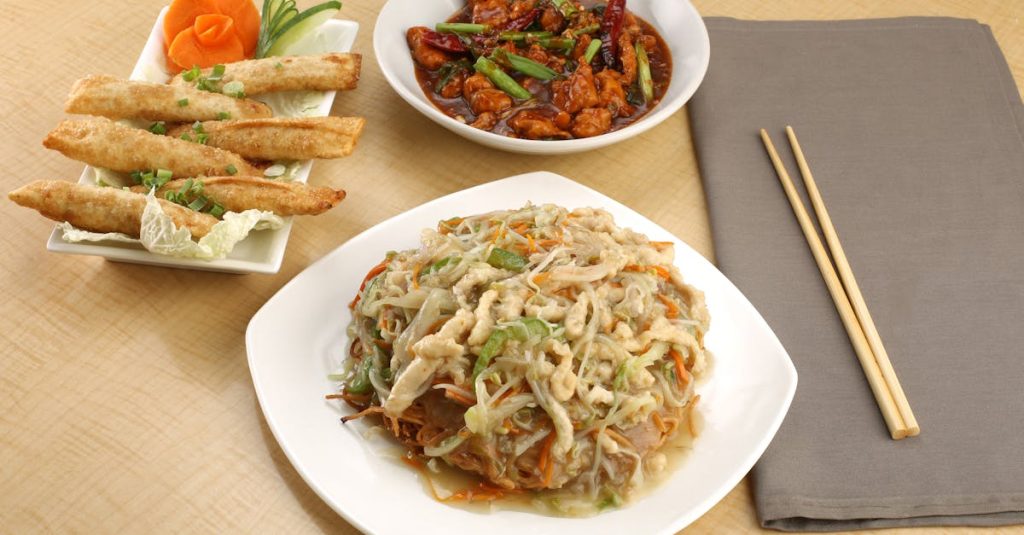
Sichuan cuisine has achieved worldwide recognition for its bold flavors, sophisticated techniques, and the distinctive numbing sensation created by Sichuan peppercorns that distinguish it from other Chinese regional cuisines. The combination of the peppery spice of Sichuan pepper with the heat of dried red chilies creates layers of flavor that dance on the palate, earning Sichuan cuisine the Chinese description “ma la” meaning “numbing and spicy.” The complexity of Sichuan cooking techniques, including the famous “water oil separation” method used for Mapo Tofu, requires years of training to master.
Beyond the familiar dishes known internationally, Chengdu offers access to authentic Sichuan cuisine that varies significantly from restaurant to restaurant based on chef skill and ingredient quality. The city’s proximity to the Tibetan plateau, Sichuan basin, and Yunnan province creates access to diverse ingredients ranging from yak meat to wild mushrooms that appear on specialty menus at higher-end establishments. Street food culture remains vibrant, with night markets throughout the city offering late-night snacking opportunities featuring regional specialties unavailable elsewhere.
Must-Try Dishes: Beyond Mapo Tofu and Dan Dan noodles, visitors should seek out Shuizhu meat slices cooked in chili oil-bathed vegetables, Guobaorou sweet and crispy pork, and Lainxianbao fluffy buns filled with various savory ingredients. Hot pot, available in both traditional and modern styles, provides communal dining experiences particularly popular during winter months.
Dining Tips: Higher-end restaurants in the Chunxi Road and Jinjiang districts offer refined dining experiences with English menus and professional service. For authentic local experiences, venture into residential neighborhoods where family-run restaurants serve exceptional food without tourist premiums.
Getting to Chengdu
Chengdu’s position as a major transportation hub makes it highly accessible by air and rail from throughout China. Chengdu Shuangliu International Airport handles both domestic and international flights, while Chengdu Tianfu International Airport, opened in 2021, has expanded capacity for future growth. The city sits at the intersection of multiple high-speed rail lines connecting to Xi’an, Chongqing, Kunming, and other major destinations, with journeys to Beijing taking approximately 7 hours and Shanghai approximately 10 hours by high-speed train.
Airport Connections: Metro Line 10 connects both airports to the city center, with the journey from Tianfu Airport taking approximately 45 minutes. Airport shuttle buses serve major hotels and transportation hubs for approximately 15-20 yuan.
Getting Around: Chengdu’s metro system, among China’s most modern, connects major tourist areas, train stations, and airports with clean, efficient service. Taxis are abundant and inexpensive, with rides within the city center typically costing under 30 yuan.
Frequently Asked Questions
Q: When is the best time to see pandas?
A: Pandas are most active in the morning between 7:30-10:00 AM when temperatures are cooler. Afternoon visits may find pandas sleeping due to the warm climate. Winter visits increase sighting opportunities as pandas spend more time outdoors.
Q: Is Chengdu very spicy?
A: While Sichuan cuisine is known for its spiciness, restaurants throughout the city offer mild options for visitors with limited spice tolerance. Many dishes can be ordered without the signature Sichuan peppercorns upon request.
Q: How many days should I spend in Chengdu?
A: A minimum of 2-3 days allows time to visit the Panda Base, Jinli Street, People’s Park, and enjoy local cuisine. Adding Mt. Emei or a hot pot experience extends the stay to 4-5 days.
Q: Is Chengdu expensive for tourists?
A: Chengdu offers excellent value for travelers. Meals at local restaurants cost 20-50 yuan, while panda base admission is 58 yuan. Mid-range hotels are available for 300-500 yuan per night.
Q: What souvenirs should I buy in Chengdu?
A: Sichuan tea, especially from Mt. Emei, makes an excellent gift. Local specialties including Sichuan peppercorns, spicy bean paste, and regional wines are widely available at Jinli Street and local markets.